 Skip to content
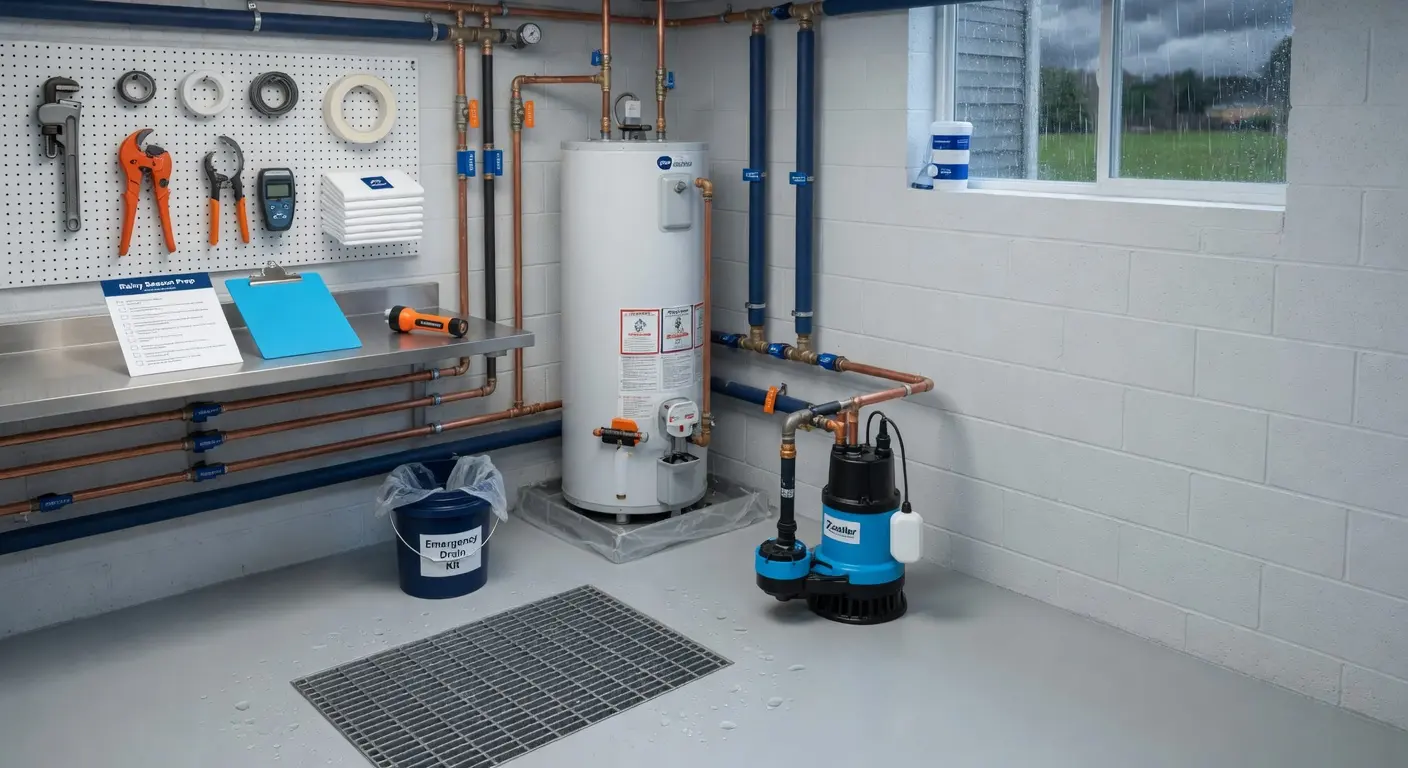
The rainy season can quickly expose plumbing problems that have gone unnoticed for months. A slow drain, weak pipe connection, clogged sewer line, sump pump issue, or hidden leak can turn into a serious water damage problem once heavy rain begins.
Preparing your plumbing system ahead of time helps protect your home, reduce emergency repair costs, prevent backups, and keep water moving safely away from your property.
Why Plumbing Preparation Matters Before Heavy Rain
Your plumbing system plays a major role in protecting your home from leaks, drain backups, basement flooding, sewer problems, and moisture damage. When small issues are ignored, they can lead to damaged flooring, wet drywall, mold growth, foundation moisture, cabinet damage, and costly emergency plumbing repairs.
A preventive plumbing inspection can help identify problems before they become urgent.
| Common Plumbing Issue | Risk If Ignored | Urgency Level |
|---|---|---|
| Slow drains | Backup into sinks, tubs, or showers | High |
| Main sewer line clog | Wastewater backup inside the home | High |
| Sump pump failure | Basement or crawl space flooding | High |
| Leaking pipes | Water damage, mold, and higher bills | High |
| Poor yard drainage | Foundation moisture and standing water | Medium |
| Worn supply lines | Sudden leaks near fixtures or appliances | Medium |
| Water heater leaks | Utility room damage and system failure | Medium |
Plumbing Preparation Checklist
Use this checklist before the first heavy rain of the season.
| Task | What to Check | Recommended Action |
|---|---|---|
| Test all drains | Look for slow sinks, tubs, showers, and floor drains | Schedule drain cleaning if water drains slowly |
| Inspect under sinks | Check for moisture, loose fittings, stains, or dripping pipes | Repair leaks before they spread |
| Check toilets | Look for weak flushing, running water, or base leaks | Repair valves, seals, or clogs |
| Test the sump pump | Make sure it turns on, drains properly, and has power | Service or replace it if it fails |
| Review sewer line symptoms | Watch for gurgling drains, sewer odors, or recurring clogs | Request a sewer camera inspection |
| Inspect water heater area | Look for rust, puddles, valve leaks, or strange noises | Schedule water heater service if needed |
| Check appliance connections | Inspect washing machine, dishwasher, and refrigerator water lines | Replace worn or damaged supply hoses |
| Clear outdoor drains | Remove leaves, mud, and debris from drains and grates | Improve water flow away from the home |
| Schedule a professional inspection | Look for hidden leaks, drainage issues, or weak pipe connections | Book service before heavy rain arrives |
Warning Signs You Should Not Ignore
Some plumbing signs may indicate a problem that needs fast attention. Catching them early can help prevent expensive water damage.
| Warning Sign | Possible Cause | Suggested Action |
|---|---|---|
| Multiple slow drains | Main drain clog or sewer line blockage | Request drain cleaning or sewer inspection |
| Gurgling toilets | Air trapped by a blocked drain line | Have the main line checked |
| Sewage smell indoors | Sewer line issue, vent problem, or drain blockage | Contact a local plumber |
| Water stains under sinks | Pipe leak, loose fitting, or fixture leak | Repair the leak quickly |
| Water pooling near water heater | Tank leak, valve issue, or pipe connection problem | Schedule water heater service |
| Damp basement or crawl space | Sump pump issue, poor drainage, or foundation moisture | Inspect pump and drainage system |
| Higher water bill | Hidden leak, running toilet, or water line problem | Request leak detection |
Common Plumbing Preparation Mistakes
Many homeowners only think about plumbing after a backup, leak, or flood happens. By then, the damage may already have spread into floors, walls, cabinets, or lower levels of the home.
| Mistake | Why It Is a Problem | Better Practice |
|---|---|---|
| Ignoring slow drains | Small clogs can become full backups | Clean drains before rainy season |
| Waiting for a sewer backup | Wastewater can damage floors and walls quickly | Inspect recurring drain problems early |
| Forgetting the sump pump | A failed pump can flood basements during storms | Test the pump before heavy rain |
| Overusing chemical drain cleaners | Harsh products may damage pipes over time | Use professional drain cleaning when needed |
| Skipping under-sink checks | Small leaks can damage cabinets and flooring | Inspect visible pipes regularly |
| Ignoring outdoor drainage | Poor water flow can affect foundation areas | Keep drains, grates, and gutters clear |
How Often Should Plumbing Be Inspected?
A plumbing system should be checked at least once a year, especially before rainy season or storm-heavy months. Additional inspections are recommended if you notice recurring clogs, sewer odors, low water pressure, basement moisture, water heater problems, or unexplained increases in your water bill.
| Recommended Time | Purpose |
|---|---|
| Before rainy season | Reduce the risk of backups, leaks, and flooding |
| After major storms | Check for drainage issues or sump pump problems |
| Before buying or selling a home | Identify hidden plumbing concerns |
| After recurring clogs | Determine whether the main line needs inspection |
| Once per year | Maintain overall plumbing system health |
Final Plumbing Maintenance Tips
Good plumbing maintenance does not always require major repairs. Simple steps like clearing slow drains, checking under sinks, testing the sump pump, inspecting water heater connections, and watching for sewer line warning signs can make a big difference.
Before the next heavy rainfall, make sure water can drain properly, your sump pump is working, fixture connections are dry, and no drain or sewer symptoms are being ignored.
When visible leaks, recurring clogs, sewage smells, or basement moisture are present, scheduling a professional plumbing inspection is the safest option. A timely plumbing evaluation can help prevent expensive repairs, protect your home from water damage, and give you peace of mind throughout the rainy season.
